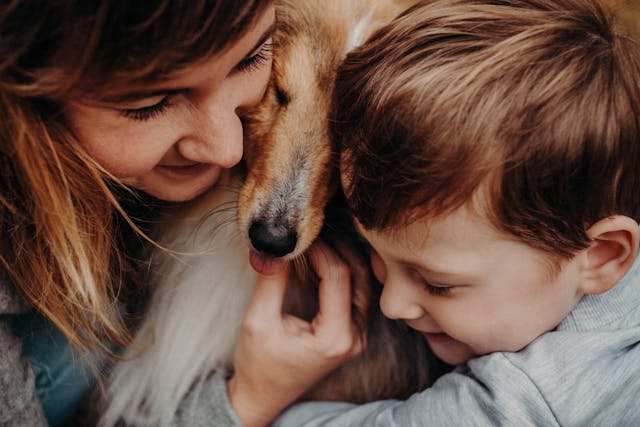
When considering bringing a dog into a family home with children, choosing the right breed is crucial. The ideal family dog should be patient, gentle, energetic enough to play with the children and yet calm enough to adapt to family life. This comprehensive guide explores the best dog breeds for families with children, considering factors such as temperament, size, energy levels and care requirements.
Why Breed Selection Matters for Families
Selecting the right dog breed for a family with children involves more than just picking the cutest puppy at the shelter. Different breeds have distinct characteristics, energy levels and care requirements. A dog that matches your family’s lifestyle will integrate more smoothly into your household and be a loving companion for years to come.
The breeds discussed in this article have been selected based on their historically good reputation with children, adaptability to family life and manageable care requirements. However, it’s important to remember that individual dogs within any breed may vary in temperament. Proper training, socialisation and care are essential regardless of breed choice.
Top Medium to Large Breeds for Families
Labrador Retriever
The Labrador Retriever consistently ranks as one of the most popular family dogs, and for good reason. Labs are renowned for their friendly, outgoing and even-tempered nature. Their patience makes them excellent companions for children of all ages.
Temperament: Friendly, gentle, intelligent and eager to please. Labs typically form strong bonds with all family members and are rarely aggressive.
Exercise Needs: High. Labradors are energetic dogs that require at least an hour of exercise daily, making them perfect for active families who enjoy outdoor activities.
Grooming: Moderate. Their short, dense coat sheds seasonally and requires regular brushing to manage loose hair.
Living with Children: Labs are naturally gentle with children and tend to be tolerant of the occasional ear or tail pull from younger kids. Their playful nature makes them excellent playmates, while their patience makes them reliable companions. They’re easily one of the best dog breeds for families with children.
Golden Retriever
Similar to Labradors, Golden Retrievers are known for their friendly and tolerant attitude. Their gentle mouths – developed for retrieving game without damage – make them less likely to nip during play.
Temperament: Kind, friendly, confident and trustworthy. Goldens are eager to please and highly trainable.
Exercise Needs: High. They require daily exercise and enjoy swimming, fetching and family hikes.
Grooming: Moderate to high. Their long, water-resistant coat requires regular brushing to prevent matting, with more frequent grooming during shedding seasons.
Living with Children: Golden Retrievers seem to have a natural affinity for children. Their patient demeanour and playful spirit make them ideal family dogs. They’re gentle enough for toddlers yet sturdy enough for rough-and-tumble play with older children, making them the perfect child-friendly dog.
Beagle
The compact Beagle brings a cheerful presence to any family home. Originally bred for hunting in packs, they’re social by nature and typically get along well with both people and other pets.
Temperament: Merry, friendly, curious and determined. Beagles are generally happy dogs with an even temperament.
Exercise Needs: High. Despite their medium size, Beagles have significant energy and stamina. Daily walks and play sessions are essential.
Grooming: Low. Their short coat requires minimal grooming, although they do shed.
Living with Children: Beagles’ sturdy build and playful nature make them good matches for energetic children. Their size is less intimidating to small children, while their endless patience for games makes them popular with kids of all ages.
Boxer
The Boxer combines strength, agility and a goofy personality that children adore. These dogs remain puppy-like well into their adult years, making them perpetual playmates.
Temperament: Fun-loving, bright, active and loyal. Boxers are known for their patience with children and protective nature.
Exercise Needs: High. Boxers are athletic dogs that require regular exercise to prevent boredom and destructive behaviour.
Grooming: Low. Their short coat needs minimal grooming, although they do shed moderately.
Living with Children: Boxers are both protective and gentle with kids, meaning they are one of the best dog breeds for families with children. Their playful nature and seemingly endless energy make them excellent companions for active kids. However, their exuberance might be overwhelming for very young children, making them better suited to families with school-aged children.
Newfoundland
Often referred to as “nature’s nanny,” the Newfoundland is renowned for its gentle and watchful nature with children.
Temperament: Sweet, patient, devoted and protective. Newfoundlands are known for their calm demeanour and natural protective instincts toward children.
Exercise Needs: Moderate. Despite their size they don’t require excessive exercise, though they enjoy swimming and daily walks.
Grooming: High. Their thick, water-resistant double coat requires regular brushing to prevent matting and manage shedding.
Living with Children: Few dogs are as naturally suited to living with children as the Newfoundland. They seem to have an innate understanding of children’s vulnerability and interact with them accordingly. Their size can be a deterrent to potential threats, adding a layer of security to the family.
Top Small to Medium Breeds for Families
Cavalier King Charles Spaniel
The Cavalier King Charles Spaniel combines the gentle, affectionate nature of a toy breed with the sturdier, more robust character of a sporting spaniel.
Temperament: Affectionate, gentle and adaptable. Cavaliers are known for their sweet nature and willingness to please.
Exercise Needs: Moderate. They enjoy daily walks and play sessions but don’t require strenuous exercise.
Grooming: Moderate to high. Their silky, medium-length coat requires regular brushing to prevent tangles.
Living with Children: Cavaliers are typically very gentle with children and enjoy being involved in family activities. Their adaptable nature means they’re content to play when the children want to play and rest when they’re busy. Their size makes them less intimidating to young children, while their patient nature helps them tolerate handling by small hands.
Bichon Frise
The cheerful Bichon Frise is an excellent choice for families with children who have allergies, as they’re considered hypoallergenic.
Temperament: Playful, curious and affectionate. Bichons are known for their happy disposition and love of playtime.
Exercise Needs: Moderate. Short daily walks and play sessions are sufficient.
Grooming: High. Their curly coat requires regular grooming to maintain its clean, fluffy appearance.
Living with Children: Bichons are naturally playful and generally enjoy the company of children. Their small size means supervision is necessary with very young children to ensure the dog isn’t accidentally injured. They’re especially good for families where allergies are a concern.
Cocker Spaniel
The English Cocker Spaniel is a versatile family dog with a merry personality and moderate exercise needs.
Temperament: Gentle, affectionate and willing to please. English Cockers are known for their happy, loving nature.
Exercise Needs: Moderate. Daily walks and play sessions will keep them content.
Grooming: High. Their silky, medium-length coat requires regular brushing and professional grooming every few months.
Living with Children: Cocker Spaniels typically adore children and enjoy participating in family activities. They’re small enough to be manageable but sturdy enough to handle play with children. Their gentle disposition makes them patient with younger family members.
Collie
Made famous by the television character Lassie, Collies are indeed as loyal and child-friendly as their fictional counterpart suggests.
Temperament: Intelligent, gentle and predictable. Collies are known for their loyalty and protective nature towards family members.
Exercise Needs: Moderate to high. They require daily walks and enjoy running in open spaces.
Grooming: High for rough-coated varieties, moderate for smooth-coated. Regular brushing is essential, especially for rough-coated Collies.
Living with Children: Collies seem to have a natural affinity for children and are often protective of them. They’re patient with the noise and activity that comes with family life. Their herding instinct may lead them to gently herd small children, a behaviour that can be managed with training.
Important Considerations When Choosing a Family Dog
Family Lifestyle and Activity Level
When selecting a dog breed, one of the most critical factors to consider is how well the breed’s energy and exercise requirements match your family’s lifestyle. A high-energy dog in a sedentary household will become frustrated and potentially destructive, while an inactive breed may be overwhelmed by a very active family.
Consider honestly how much time and energy your family can dedicate to exercising a dog. If your family enjoys outdoor activities like hiking or jogging, an energetic breed like a Labrador or Boxer might be perfect. If your lifestyle is more relaxed, a less active breed such as a Cavalier King Charles Spaniel might be more suitable.
Space Requirements
The size of your home and garden should influence your choice of dog breed. While some larger breeds, like the Newfoundland, are relatively inactive indoors and can adapt to smaller living spaces, others, like the Boxer, need room to move. Similarly, smaller breeds generally require less space but still need adequate room for play and exercise.
Consider whether your home has a secure garden where the dog can play safely. If not, are there nearby parks or green spaces where you can regularly take the dog for exercise? Remember that even small dogs need daily exercise and opportunities to explore the outdoors.
Allergies and Shedding
If any family member has allergies, this should be a primary consideration when choosing a dog breed. While no dog is 100% hypoallergenic, breeds like the Bichon Frise and Poodle are known to produce fewer allergens.
Even without allergies, the amount of hair a dog sheds can be an important factor for many families. Breeds with double coats, like the Newfoundland, shed seasonally and require regular grooming to manage loose hair. Short-haired breeds like the Boxer still shed but may be easier to maintain.
Age of Children
The age of your children should influence your choice of dog breed. Families with very young children might prefer a patient, gentle breed known for its tolerance, such as the Golden Retriever or Newfoundland. The size of the dog relative to the size of your children is also worth considering. Very large dogs might accidentally knock over small children during play, while very small dogs might be injured by rough handling from young children.
If your children are older and more responsible, you might have more flexibility in your choice of breed. Older children can take on more responsibility for the dog’s care and learn to interact appropriately with dogs of various temperaments.
Training and Socialisation
Regardless of breed, proper training and socialisation are essential for any family dog. Consider how much time and effort your family can commit to training a new dog. Some breeds, like the Labrador and Golden Retriever, are known for being relatively easy to train, while others may require more patience and consistency.
Early socialisation with various people, animals, and environments helps ensure that your dog grows up to be well-adjusted and confident. This is particularly important for dogs living with children, as it helps them learn appropriate behaviour around young family members.
Preparing Your Home and Family for a Dog
Setting Clear Rules and Boundaries
Before bringing a dog home, establish clear rules about the dog’s care and handling. Decide which areas of the house will be accessible to the dog and where the dog will sleep. Determine who will be responsible for feeding, walking and grooming the dog.
For families with children, it’s essential to set boundaries about how to interact with the dog. Teach children to respect the dog’s space, especially during eating or sleeping. Establish rules about how to pet and play with the dog gently and appropriately.
Creating a Safe Environment
Dog-proof your home by removing potential hazards. Keep small objects that could be choking hazards off the floor, secure toxic substances like cleaning products and medication and ensure that electrical cords are out of reach.
Create a comfortable space for the dog with a bed, toys and access to fresh water. Consider using baby gates to create zones where the dog can retreat from household activity when needed.
Teaching Children How to Interact with Dogs
Prepare your children for the new family member by teaching them about dog behaviour and body language. Explain how to approach a dog safely, recognise signs of discomfort or stress and interact gently.
Supervise all interactions between children and the dog, especially in the beginning. Even the most child-friendly breeds need time to adjust to a new home and family, and supervision ensures both the children and the dog remain safe.
The Best Dog Breeds for Families with Children – the Choice is Yours
Bringing a dog into your family is a significant decision that requires careful consideration of various factors, including breed characteristics, family lifestyle and home environment. The breeds discussed in this article – Labrador Retrievers, Golden Retrievers, Beagles, Boxers, Newfoundlands, Cavalier King Charles Spaniels, Bichon Frises, Cocker Spaniels and Collies – all have qualities that make them excellent choices for families with children.
Remember that while breed tendencies provide a helpful guide, each dog is an individual with its own unique personality. Taking the time to meet a dog before bringing it home, whether from a reputable breeder or rescue organisation, can help ensure a good match for your family.
With proper selection, preparation, training and care, a dog can become not just a pet but a beloved family member who contributes to your children’s development, teaches responsibility and empathy and provides years of companionship and joy to you all.
10 comments
Comments are closed.
Related posts

Connecting with Grandchildren in a Blended Family: Top Tips
- 0
- 2,631 words
Read our tips and advice on connecting with grandchildren in a blended family. Share your love and time with your step-grandkids to build strong bonds together.
Read out all
Magical Christmas Holiday Destinations for Winter 2025
- 0
- 2,833 words
If you're tempted to get away from it all this festive season, check out our list of some of the best Christmas holiday destinations to inspire and enchant you.
Read out all
We have been talking about getting a dog for a couple of years now but weren’t sure which breed to go for. Your post has helped me realise that a Collie or a Beagle would be perfect for our family so we’re on the lookout for one at all our local animal rescue centres. Fingers crossed one comes up soon as my two daughters are desperate for a dog!
My kids have been pleading for a dog ever since our neighbours got a Golden Retriever. The little pup is the cutest, he looks exactly like the Andrex puppy! But I am making the kids wait because they need to understand the dog won’t remain a puppy forever and will grow up into a reasonable sized dog. I think they’ll be ok with that but I need to know that for sure. I am thinking of taking them to a rescue centre to see a grown Golden Retriever as I think that will help and they won’t be able to wait how long it’ll take for our neighbours’ pup grows up!
That saying about being either a cat person or a dog person is so true. I am a DOG PERSON and we are THE BEST kind of people!! Cats are so selfish and disinterested. Dogs are loyal, loving and friendly. Dogs can be trained so are an educational pet. Cats cannot be trained (a little but but not really…and it’s always on their terms!) so teach kids bad manners and only being out for themselves. My favourite kind of dog is not on this list, it’s a Cavapoo. But I also love beagles, they have such gorgeous personalities! But in truth any dog is a good dog 🐶
We always had dogs growing up, we had golden retrievers, labradors and collies mostly although we also had a miniature poodle for about five years when my grandma got too sick to look after it herself. Dogs are family! When I have kids I will definitely make sure we have dogs too as they are man’s (and woman’s) best friend. Yes it’s heartbreaking when they die but the loyalty and love you get from a dog is unsurpassed.
We’ve had huskies ever since our kids were tiny. They are such a great family pet. The dogs think the kids are their puppies and the kids think the dogs are their siblings. It is adorable! If anyone is thinking twice about getting a dog, don’t – just do it! They are such a boost to your child’s upbringing and are a companion for parents too.
My father grew up on a farm and they always had dogs. However he never let me or my brother have one when we were kids, he said dogs need space to run around and while I agree with that general sentiment I think there is also a happy medium where certain breeds of dog can be kept humanely in a family home as long as they are exercised regularly and have plenty of interaction and play. Many people who live in apartments have dogs so it’s really not a problem so long as the owner is responsible.
We’ve just got a puppy, a Bichon Frise, and omg is she cute but also omg is she hard work! She is so worth it though but I just wasn’t prepared for the lack of sleep I’d get and constant attention she needs! But it’s been less than a week so I am hoping she will settle and be less needy in time. For now I totally understand that she’s pining for her mom and siblings, poor thing! What does anyone think about getting two dogs so they have each other for company? Do dogs get lonely being an only dog?
We have had our labradoodle since our twins were 2. They absolutely love him and follow him everywhere. Being twins they sleep in the same room and the dog goes in with them so I feel very reassured that they are safe at night. Goodness knows what will happen when they eventually want their own rooms – where will the dog sleep then lol!
We’ve always had spaniels as pets and currently have a Cavalier King Charles Spaniel and a Cocker Spaniel. Our kids love them, like others have said they are part of the family and our children rely on them and include them in every aspects of their lives. Dogs are such great companions and provide wonderful comfort in sad and stressful times. They’re also a great way to keep the kids – and us – active as we have to exercise them twice a day minimum and also play with them in the garden. I say ‘have to’ but it never feels like a chore. We will always be a dog household!
When I was a young lad we had a family dog, she was a Boxer and she was the cutest, soppiest thing. I loved her so much and we went pretty much everywhere together. My mum said she even pined for me when I was at school and got super excited when she sensed me coming home. Poor girl died of old age 15 years ago but I still miss her so much. Like we all say, pets are family. I can’t have pets where I live at the moment (I’m in the army) but when I retire I’ll definitely get another Boxer.